🍪 We use cookies
We use cookies to enhance your experience, analyze site traffic, and for marketing purposes. By clicking "Accept All", you consent to our use of cookies. Read our Privacy Policy


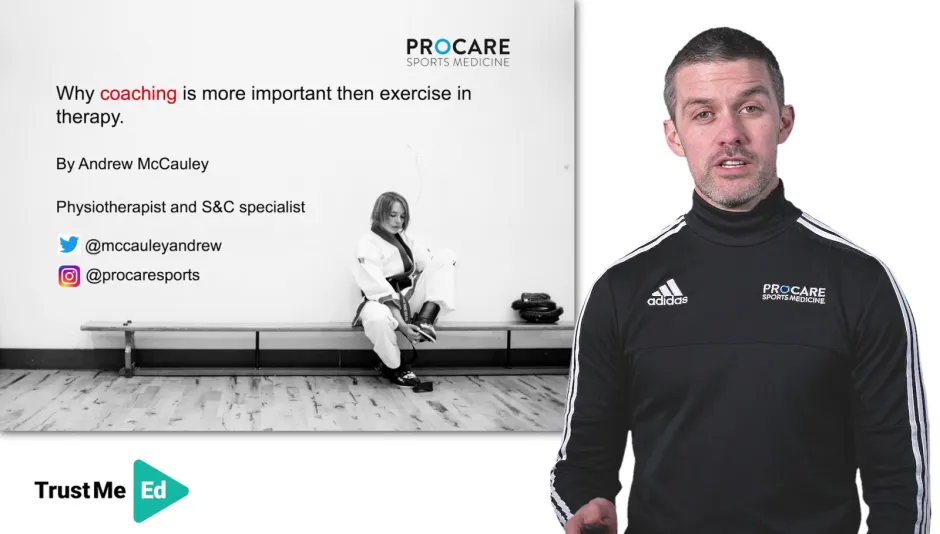
One of the biggest problems we face with exercise is helping patients commit to rehabilitation programs. This lecture aims to explore the evidence around patient commitment/adherence and discover why good coaching is more important than exercise when it comes to this complex area of health.
Learning points:
1. What is the most important skill in therapy?
2. Why therapy is complicated.
3. Importance of patient commitment & adherence.
4. What does good coaching look like?
5. Why emotional intelligence is a key skill for therapists.
6. What psychological interventions a therapist can use for injury prevention.
7. How to build autonomy with patients
8. Why developing hope is essential for patient well-being and adherence.
Why communication and coaching may matter more than the exercise prescribed, how adherence and public commitment work, and what a professional goalkeeper's stalled knee rehab shows about anxiety, identity and support.
How athletic identity, emotions and fear of reinjury shape recovery, using an elite four-cross rider's shoulder injury to show why clinicians should ask about feelings, build trust early and use basic psychological skills.
How social support, clear information, hope, autonomy, goal setting and feedback keep patients committed to rehab, with practical tools such as a whiteboard summary filmed for the patient to take home.
One of the biggest problems we face with exercise is helping patients commit to rehabilitation programs. This lecture aims to explore the evidence around patient commitment/adherence and discover why good coaching is more important than exercise when it comes to this complex area of health.
Learning points:
1. What is the most important skill in therapy?
2. Why therapy is complicated.
3. Importance of patient commitment & adherence.
4. What does good coaching look like?
5. Why emotional intelligence is a key skill for therapists.
6. What psychological interventions a therapist can use for injury prevention.
7. How to build autonomy with patients
8. Why developing hope is essential for patient well-being and adherence.
We usually answer within a minute.
Ask anything about your membership, certificates or what is in the library.
No comments yet…