TrustMe - Ed TrustMe - Ed
Next episode
Share this episode
Comments

Principles of motor learning

Episode
1 of 3
Published
Dec 29th, 2017
Run Time
30m 16s
Topic
Applying principles of Motor learning to ACL rehab
Your Instructor
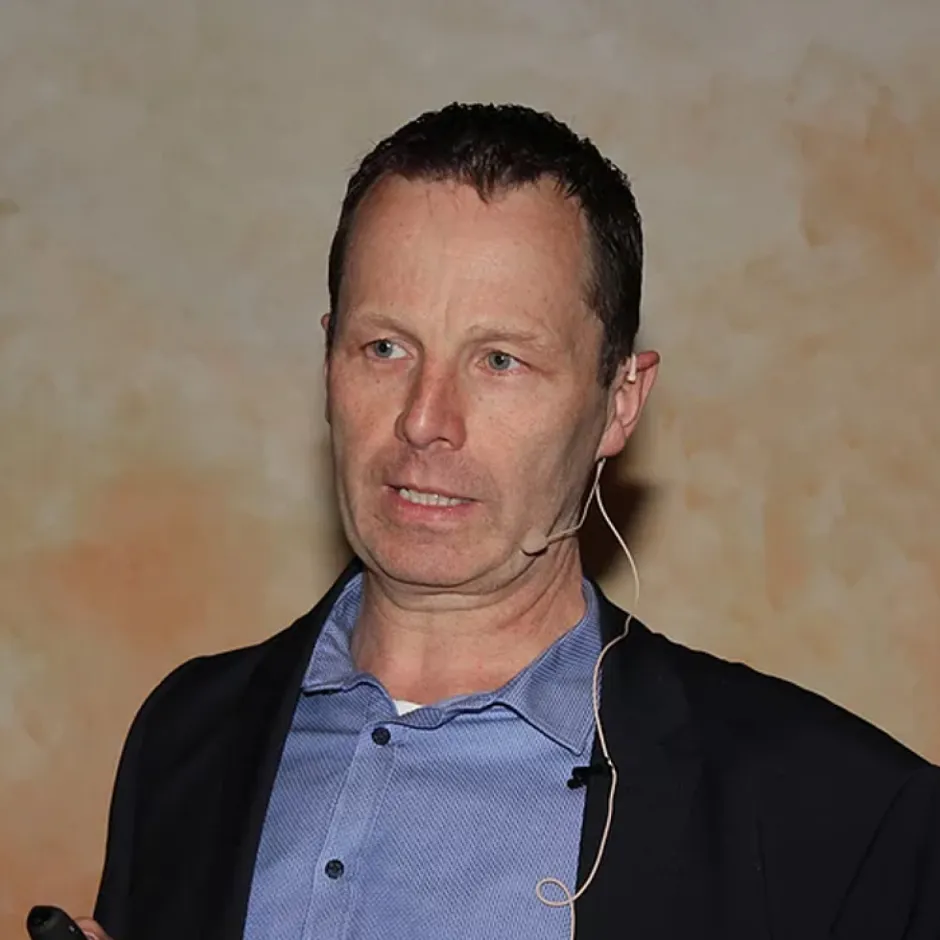
Alli Gokeler
Alli Gokeler
A Phd with a special interest for motor control after ACL injuries.

Episode Summary

Discover why traditional ACL rehab may fall short and how motor learning principles can help reduce re-injury risk. Learn how movement patterns, anticipation, and smarter practice can reshape rehabilitation and better prepare athletes for the unpredictable demands of sport. Alli Gokeler presents.

Motor learning principles are applied here to improve ACL rehabilitation, especially to reduce the very high rate of second ACL injuries in young athletes. The explanation begins with the scale of the problem: reinjury rates can reach roughly 23–30%, and may be even higher in the youngest groups. A key reason is that many athletes return to sport with persistent movement asymmetries, stiff landing strategies, altered muscle activation, and compensation patterns that shift load away from the involved leg. The main concepts include how abnormal movement patterns relate to reinjury risk, why strength gains alone may not restore normal function, and how motor learning offers a different approach. Important definitions are covered, including the difference between performance during practice and true learning, as well as the role of retention and transfer. The summary of motor learning stages explains how skills progress from conscious control to more automatic movement. A major focus is the need to train anticipation and feed-forward control rather than relying only on feedback responses, which are too slow to prevent injury in fast sporting situations. Rehabilitation therefore needs more task-specific, variable, and context-rich practice that better reflects real sport demands.
Up next

Internal or external focus: motor learning after ACL injury

Starting next episode automatically…

Comments
Browse
Masterclasses
Patient Case Studies
Research Reviews
Speakers
Free episodes
Learn
Watchlist
Help
No results found
↑↓ navigate ↵ open esc close Searching…