🍪 We use cookies
We use cookies to enhance your experience, analyze site traffic, and for marketing purposes. By clicking "Accept All", you consent to our use of cookies. Read our Privacy Policy
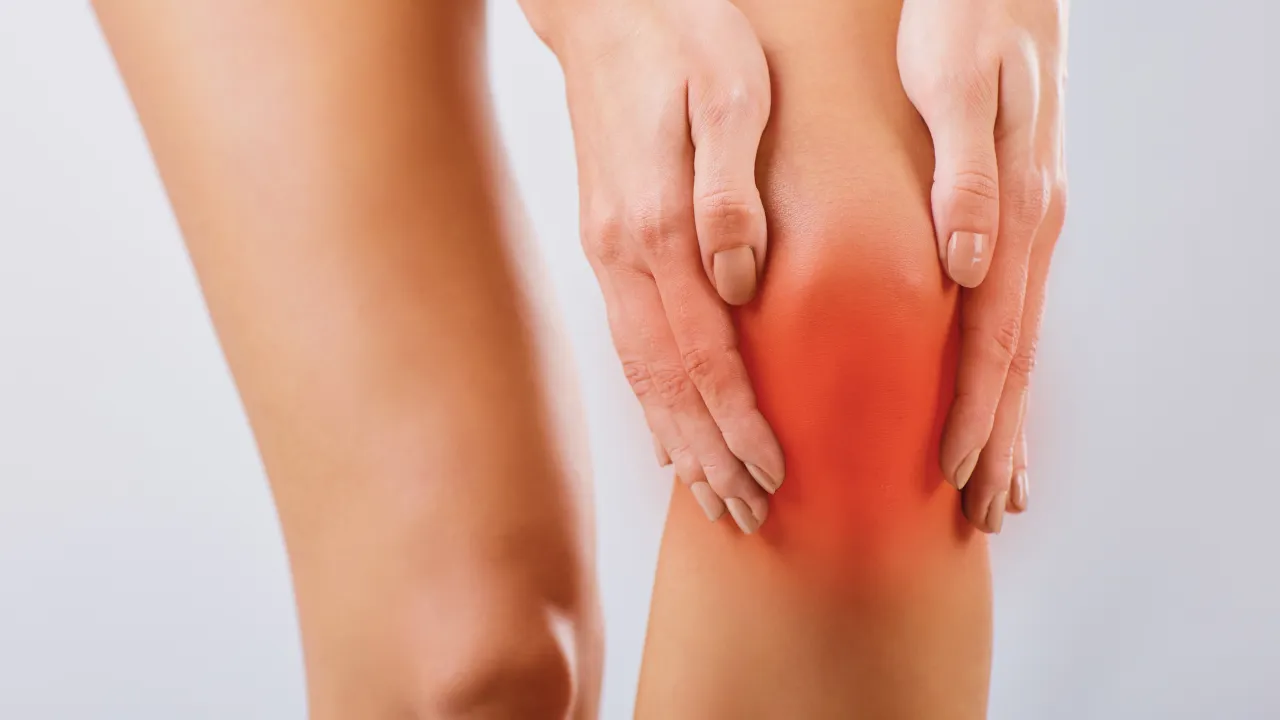
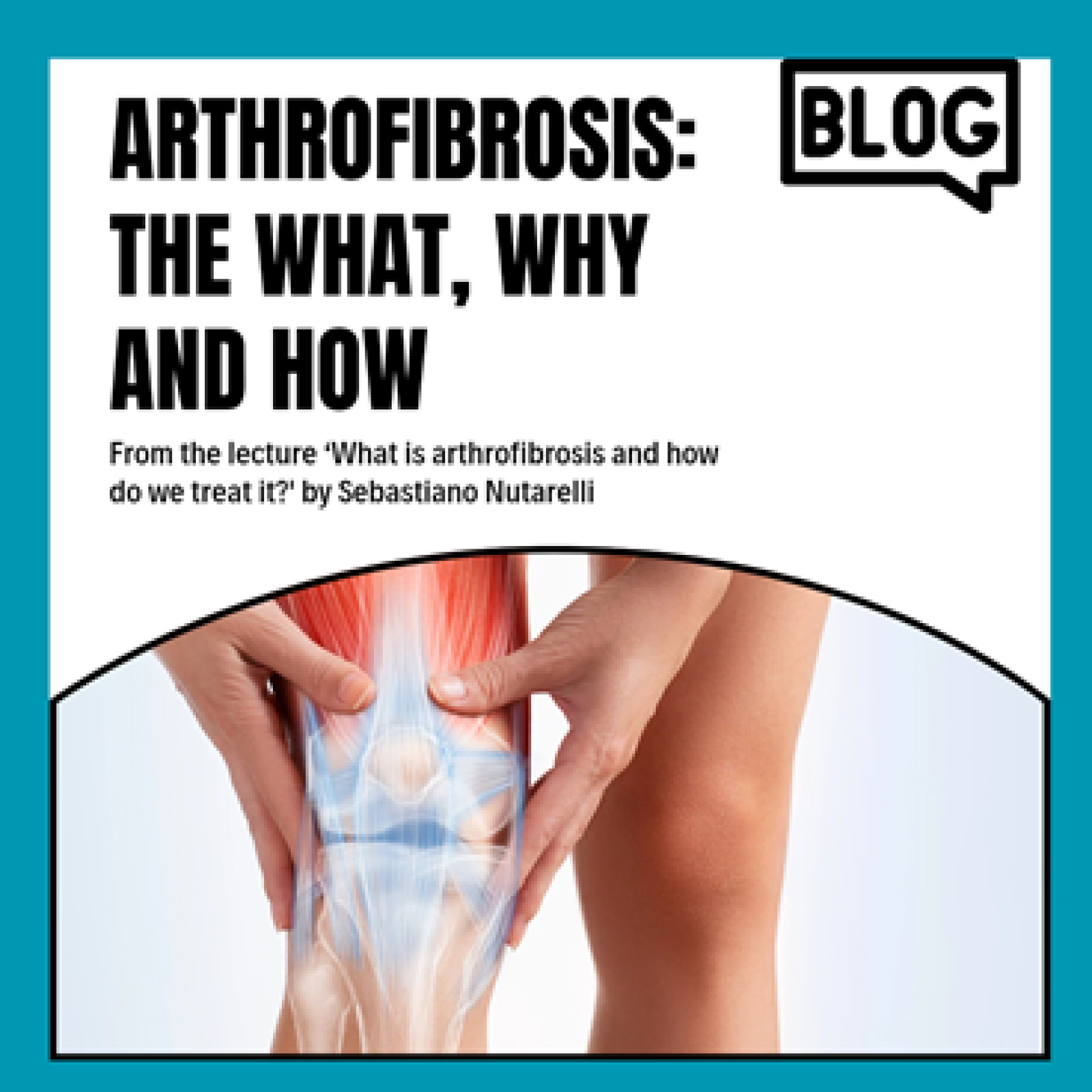
Arthrofibrosis is a joint disorder due to a state of chronic ongoing healing.This leads to the formation of adhesions, excessive production of scar tissues, soft tissues contraction,
extra-cellular matrix (ECM) excessive deposit, disproportionate pain, and ultimately restricted range of motion of the joint.
The overall clinical scenario is caused by the persistence of specialized healing cells called myofibroblasts that are usually expressed in the physiologic healing process. In this case, they are over-expressed. Myofibroblasts can aggressively lead to the production of adhesions, fibrosis, tissues contraction, and ECM, favoring an overall state of uncontrolled inflammation.
Arthrofibrosis usually occurs in 2 phases:
1) The first stage is the active stage in which ECM formation is driven by a repetition of inflammatory feedback.
The myofibroblasts and immune cells create a positive feedback by producing inflammatory and healing factors that keep each other permanently activated.
2) The second stage is the residual stage.
When inflammation resolves, a residual phase occurs that is no longer painful but ROM remains limited for an extended time due to the matured fibrosis.
Primary drivers include:
1. Insult: Surgery, injury, trauma
2. Inflammation: loosening implants, metal allergy, diabetes
3. Hypoxia: Surgery, injury, others
4. Predisposition: autoimmune disorders, history of surgeries, genetics
5. Infection: Joint, gum, respiratory infection (flu,COVID)
Secondary drivers include:
1. Physical therapists forcing ROM, aggressive approach in rehabilitation or loaded exercises performed too early.
2. Stress
3. Lack of sleep
4. Lack of essential nutrients
Signs and symptoms of arthrofibrosis
1. Usually ROM loss (not always / may not be significant)
2. Pain
3. Muscle atrophy & weakness
4. Swelling, warmth, redness (not always/ may not be significant, Chronic low-grade inflammation)
5. Functional limitations
6. Psychological impacts
1. Address knee extension (Use low load prolonged stretch progression).
2. Address patellar mobility.
3. Address knee flexion (concurrently with knee extension).
4. Use ice and compression to slow down metabolism.
5. An effective drug plan for pain management by a pain specialist is important as it can assist the patients to move freely.
6. Use crutches for controlled weight-bearing on the affected joint.
7. Do not force the knee EVER. The main goal is homeostasis.
8. Use continuous passive motion (CPM) machine.
9. Educate - Explain, show and make the patients practice the HEP.
10. Leave time for emotional support.
Source:
From the lecture ‘Management of Knee Arthrofibrosis’ by Sebastiano Nutarelli

Bringing high-quality classes so you can help your patients better. Learn from the world's leading experts, from the comfort of your home. Staying up to date has never been easier.
© 2026 TrustMe. All rights reserved.
We usually answer within a minute.
Ask anything about your membership, certificates or what is in the library.